
The System Behind Wild: Why a Deodorant Brand Became a DTC Success Story
At first glance, Wild is just another deodorant brand.
But if you look closer, what they’ve actually built is something far more interesting: a repeat purchase system disguised as a sustainable personal care product.
And that distinction matters.
Because deodorant has historically been one of the least differentiated categories in consumer goods. For decades it has been dominated by global FMCG giants competing primarily on price, shelf space and functional claims like “48-hour protection” or “extra strength”.
Brand loyalty has traditionally been low. Consumers switch easily. The product is functional, invisible and rarely something people feel emotionally connected to.
Which makes Wild’s growth particularly interesting.
Since launching in 2019, the UK-based brand has grown rapidly across Europe, built a substantial subscription customer base and established itself as one of the most recognisable refillable personal care brands in the market. All of this while operating in a category that is normally extremely difficult for challenger brands to disrupt.
So what actually made it work?
The short answer is that Wild didn’t just build a product.
They built a system.
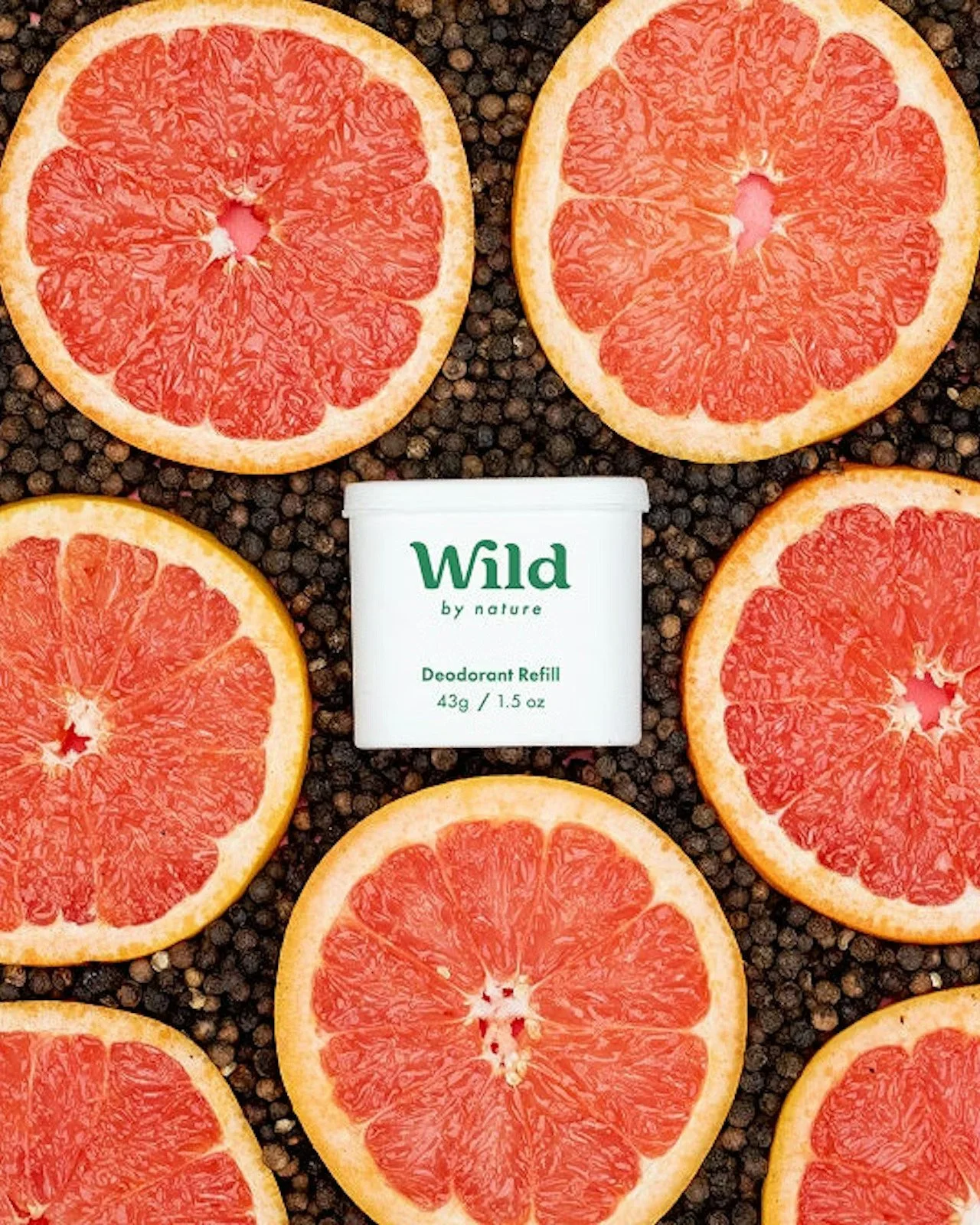
Wild deodorant refill with grapefruit slices and peppercorns surrounding it.
The Problem With Most Sustainable Brands
In recent years, sustainability has become one of the most common positioning strategies for emerging consumer brands. Founders are increasingly motivated to build products that reduce environmental impact, and consumer awareness around packaging waste and climate impact has grown significantly.
According to research from NielsenIQ, around 73% of global consumers say they would change their consumption habits to reduce environmental impact.
But intention and behaviour are rarely the same thing.
Many sustainable brands struggle to scale because sustainability alone doesn’t solve the most important commercial question:
Why should a customer come back and buy again?
When sustainability sits at the centre of the marketing message but isn’t embedded in the product experience itself, the brand often ends up relying heavily on acquisition marketing to drive growth.
Wild approached this differently.
Instead of building a sustainable story and then designing a product around it, they designed a product system where sustainability naturally supports repeat purchase.
The Power of the Refill Model
Wild’s refillable deodorant system is simple.
Customers purchase a durable aluminium case once, and then buy compostable refill cartridges that slot inside it.
This design decision does three important things simultaneously.
First, it reduces packaging waste. That aligns with growing consumer demand for lower-impact products and allows the brand to genuinely deliver on its sustainability positioning.
Second, it creates structural retention. Once a customer owns the case, the natural next step is to buy refills. That means repeat purchase is embedded into the product architecture rather than being dependent on constant marketing pressure.
And third, it creates a sense of ownership. The case becomes part of the customer’s routine rather than disposable packaging.
This is where many refill models succeed or fail.
If the system creates friction, customers abandon it. If the system makes repeat purchase easy, it becomes habit.
Wild clearly optimised for the latter.
Turning an Everyday Product Into a Brand
Another overlooked part of Wild’s success is design.
Deodorant is typically a hidden product. It lives in bathroom cabinets, gym bags or drawers. Packaging rarely matters because the product itself is rarely seen.
Wild flipped this dynamic.
The aluminium cases are colourful, distinctive and designed to be visible. Limited edition designs, collaborations and aesthetic variations mean the product behaves more like a lifestyle object than a purely functional item.
This shift is subtle but powerful.
When a product moves from being something people hide to something they display, the brand becomes part of identity rather than just utility.
That dramatically increases brand affinity.
The Real Lesson for Founders
It would be easy to look at Wild and assume the success comes primarily from sustainability.
But that interpretation misses the bigger picture.
Plenty of sustainable brands launch every year. Most of them struggle to scale.
Wild succeeded because sustainability sits inside a well-designed commercial system.
The product encourages habit.
The refill model drives repeat purchase.
The design builds brand attachment.
The positioning aligns with modern consumer values.
When those elements reinforce each other, growth compounds.
And that’s the real takeaway.
The brands that scale over the next decade won’t simply market sustainability louder than everyone else.
They will design products, systems and business models where sustainability works naturally alongside strong economics and customer behaviour.
Wild didn’t just build a deodorant.
They built a system that makes customers come back.
One Question Worth Asking
Looking at brands like Wild, what do you think actually drove the growth?
Was it the refill model?
The sustainability positioning?
The brand identity?
Or simply great product design?
Because the answer to that question reveals a lot about how modern consumer brands scale.
